
Remote job scams are a lot more common than most people realize, and I found that out through a friend of mine. She applied for a remote data entry job a few months back, and the interview was quick, almost too quick. She got an offer within a day, and then came the catch, they wanted her to buy her own laptop through a specific link and promised to reimburse her once she started. She almost did it before something felt off enough to make her stop and look closer.
Remote work is genuinely everywhere now, but so are the people trying to take advantage of it. Here’s what I’ve learned about telling the real opportunities apart from the scams, and where to actually look.
Why Remote Job Scams Are So Common
Remote positions are attractive precisely because they don’t require an in person interview or a local address, which unfortunately makes them an easy target for remote job scams too. Scammers post listings that look almost identical to real ones, sometimes even copying the exact wording from legitimate companies, and cast a wide net hoping someone doesn’t look too closely.
Red Flags That Usually Mean It’s a Scam
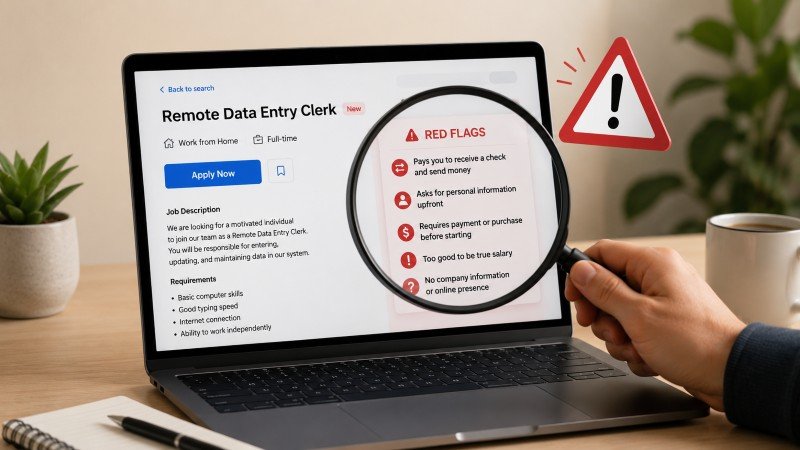
Most remote job scams share a few patterns once you know what to look for. Being asked to pay for anything upfront, whether it’s a laptop, a training kit, or a background check fee, is one of the biggest ones. Legitimate employers cover their own equipment and hiring costs.
Other signs include an interview conducted entirely through text chat with no video or phone call, an offer that comes suspiciously fast without any real vetting, and a company with almost no online presence beyond the job listing itself. If something about the process feels rushed or oddly casual for how serious the job sounds, trust that feeling.
Where to Actually Find Real Remote Jobs
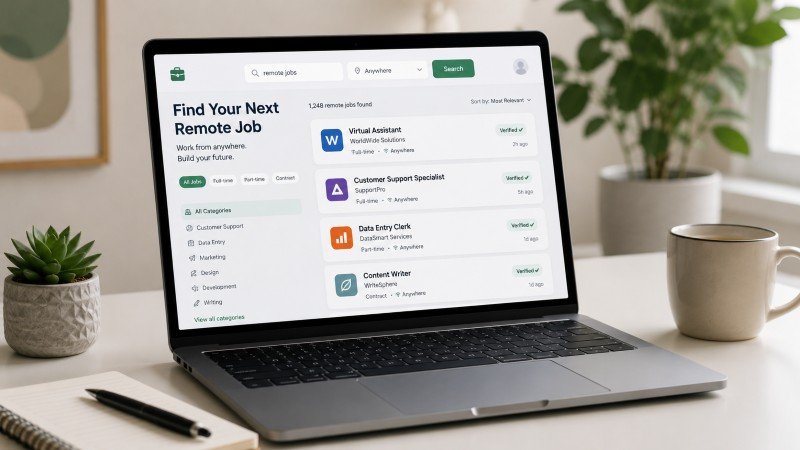
Sticking to well known platforms cuts down your risk significantly. LinkedIn’s job search filtered to remote roles is a solid starting point, since most listings there are tied to real company pages you can verify. Sites built specifically around remote work, like We Work Remotely and FlexJobs, also tend to vet listings more carefully than general job boards.
Company career pages are underrated too. If you’re interested in a specific company, checking their own careers page directly means you’re not relying on a third party listing at all, which removes a whole layer of risk.
How to Check a Company Before Applying
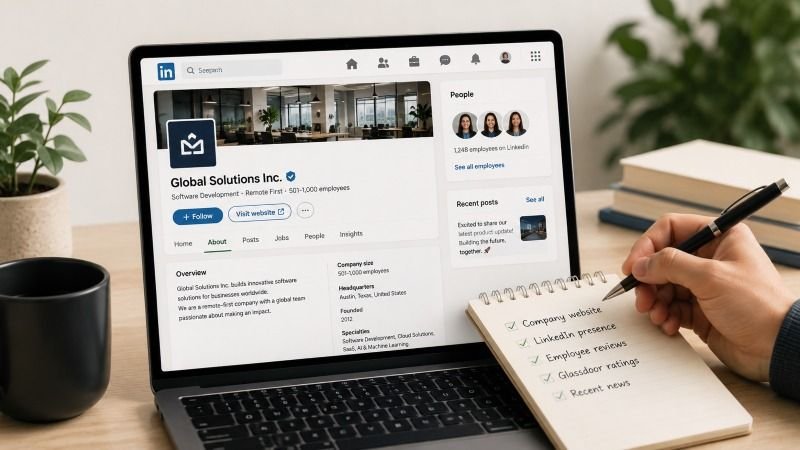
Before I apply anywhere remote now, I do a quick search of the company name along with the word “scam” or “reviews” to see what comes up. Glassdoor and similar review sites often surface patterns other applicants have already noticed. I also check whether the company has a real, active presence on LinkedIn with actual employees listed, not just a bare bones page created recently.
A legitimate recruiter will also usually have a professional email address matching the company’s actual domain, not a generic Gmail or Yahoo account. It sounds like a small detail, but it catches a surprising number of fake listings.
What to Do If You Already Got Scammed
If you’ve already lost money or shared personal information, don’t sit on it out of embarrassment, this happens to plenty of careful people, not just naive ones. Report it to the Federal Trade Commission, since they track these patterns and it helps flag repeat scammers. If you shared banking details, contact your bank right away to watch for unauthorized activity.
It’s also worth reporting the fake listing to whatever platform it appeared on, since that can get it taken down before it catches someone else.
Mistakes That Make You an Easier Target
A lot of remote job scams succeed simply because people move too fast or let their guard down. Here are the habits that make you an easier target.
- Applying to too many listings too fast. Rushing through applications makes it easier to miss obvious red flags you’d normally catch.
- Giving out personal details too early. A real employer doesn’t need your bank details or a copy of your ID before an actual offer is finalized.
- Ignoring your own gut feeling. My friend almost bought that laptop because the offer felt too good to walk away from. If something feels off, it usually is.
- Not researching the interviewer. A quick LinkedIn search of the person interviewing you takes thirty seconds and can save you a lot of trouble.
How I’d Search This Week
- Stick to well known platforms like LinkedIn, We Work Remotely, or a company’s own careers page.
- Search the company name plus “scam” or “reviews” before applying anywhere new.
- Never pay for equipment, training, or background checks upfront, no matter how convincing the reason sounds.
- Confirm the recruiter’s email matches the company’s actual domain.
- Trust your gut if something about the process feels rushed or too easy.
If you’re also exploring other ways to earn money online while you search, we’ve covered a couple of platforms already, including earning money on Instagram, which can be a useful side option while you look for something more stable.
FAQ
How can I quickly spot remote job scams?
The fastest check is whether they ask for any money upfront. Real employers never do. Combine that with a quick search of the company name plus “scam” and you’ll catch most fake listings within a few minutes.
Are all fast job offers scams?
Not always, some legitimate companies do move quickly, especially smaller ones. But a fast offer combined with no real interview or a request for payment is a strong warning sign.
Is it safe to give my address for a remote job?
Most legitimate remote roles don’t need your home address until after you’re actually hired, often just for tax or payroll paperwork. Be cautious if it’s requested very early in the process.
What if the company has a real website?
Scammers sometimes clone real company websites or create convincing fake ones, so a website alone isn’t proof. Cross check the job listing directly on the company’s own official careers page if you can find it.
Should I still apply to smaller, less known companies?
Yes, plenty of small companies hire remote workers legitimately. Just apply the same checks, no upfront payment, a real interview, and a verifiable online presence, regardless of company size.
The honest truth is that avoiding remote job scams takes a bit more patience than falling for a fast, easy sounding offer. Slowing down enough to check a few basic things before you apply anywhere saves you from most of the scams out there, and it gets easier to spot the fake ones the more you look.
This article shares general safety guidance based on common scam patterns and is not a guarantee against fraud. Always use your own judgment and verify details independently before sharing personal information or money with any employer.