
Earn money on YouTube sounds like something that only happens to people who go viral, but the channel that actually convinced me otherwise never had a single viral video. It’s run by an old coworker who posts short woodworking tutorials, nothing flashy, just clear, useful videos a few times a month. She mentioned casually one day that the ad revenue alone covers her tool budget now. No big following, no lucky break, just consistency in a specific niche.
That conversation sent me down a rabbit hole testing a few of these methods myself and talking to other small creators about what actually works.
Is It Actually Worth It
Honestly, yes, but not in the “quit your job after your first video” way some channels make it sound. Most creators who actually earn money on YouTube are stacking a few of these methods together, and it usually takes months of consistent uploading before any of it adds up to something meaningful.
1. YouTube Partner Program
This is the baseline most people think of first. To qualify, you need at least 1,000 subscribers and either 4,000 watch hours in the past year or 10 million Shorts views in the past 90 days. Once approved, ads run on your videos and you earn a share of that revenue.
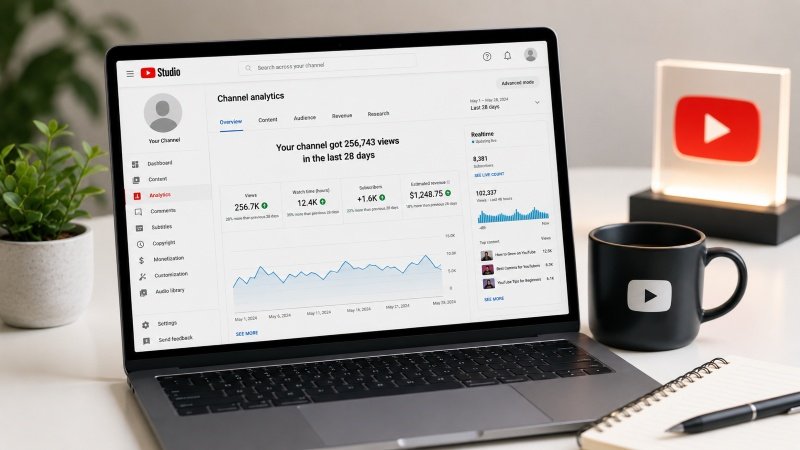
What surprised me is how small ad revenue alone actually is compared to what people assume. A video with decent views might earn a few dollars from ads, which adds up over time but rarely becomes a full income by itself unless you’re posting consistently to a large, established channel. Watch time and audience retention matter more than raw view count for how much a video actually pays out.
2. Channel Memberships
This lets your subscribers pay a monthly fee for perks like custom emojis, badges, or members only videos. It works best once you already have a genuinely engaged audience, since you’re essentially asking people who already like your content to pay a bit more for extra access.
My coworker mentioned this only became worth turning on after her channel passed a certain size, before that the numbers were too small to bother setting up. It’s less of a starting point and more of an addition once you’ve built some real momentum.
3. Super Thanks and Super Chat
Super Thanks lets viewers tip on regular videos, while Super Chat is the live stream version where viewers pay to have their message highlighted. Neither one is consistent income, some videos or streams get several tips and others get none at all, but they can add up nicely on top of everything else, especially if you do any kind of live content.
4. Affiliate Links in Descriptions
This is one of the more reliable ways to earn money on YouTube once you’re recommending products in your videos anyway. You drop a link in the description to whatever you’re using or reviewing, and earn a commission when someone buys through it. It works especially well for tutorial or review style content, since viewers are already primed to want the thing you’re showing them.
I made the mistake early on of linking products I didn’t actually use myself just because they seemed relevant. Almost nobody clicked. When I switched to only linking gear I genuinely used in the video, clicks picked up noticeably. People can tell the difference between a real recommendation and a random link.
5. Brand Deals and Sponsorships
Once a channel builds real, engaged traction in a specific niche, brands start reaching out, sometimes through YouTube’s own creator resources, and sometimes through direct emails. This tends to pay noticeably more than ad revenue alone, but it takes time and a track record before brands take you seriously.
A simple one page media kit, just your niche, subscriber count, average views, and a couple of your best performing videos, made it much easier for brands to say yes quickly instead of asking a dozen follow up questions.
6. Selling Your Own Product
Some of the most consistent earners use YouTube purely as an audience builder, then sell their own thing, a digital guide, a small course, or merch through YouTube’s built in merch shelf. My coworker eventually sold a short digital guide on beginner woodworking tools, and it quietly outearned her ad revenue within a couple months. YouTube brings the audience, the product does the actual earning.
Mistakes That Slow People Down
- Chasing subscriber count over watch time. A smaller audience that actually watches your full videos earns more consistently than a large one that clicks away early.
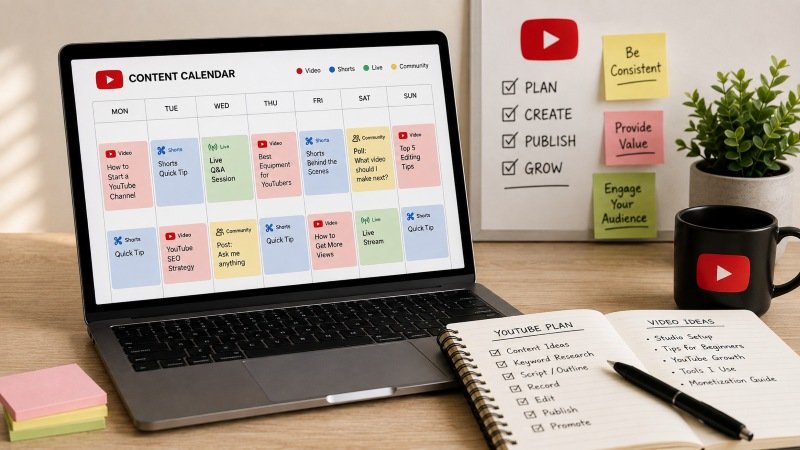
- Posting inconsistently. I went through a stretch of uploading once a month and growth basically stalled. Getting back to a regular schedule made a real difference.
- Ignoring YouTube Analytics. The retention graphs tell you exactly where people stop watching, skipping this means repeating the same mistakes without noticing.
- No clear niche. Channels that stick to one topic build more loyal, returning audiences than channels that post whatever’s trending that week.
How I’d Start This Month
- Pick one niche you can talk about consistently, not just occasionally.
- Upload on a regular schedule and check Analytics to see where viewers drop off.
- Apply for the Partner Program once you hit the subscriber and watch hour requirements.
- Add two or three affiliate links for gear or products you genuinely use.
- Build a simple media kit so you’re ready if a brand reaches out.
If you’re also weighing other platforms while you build this out, we’ve covered earning money on Instagram too, which pairs well with YouTube since a lot of the same content can work across both.
FAQ
How many subscribers do I need to earn money on YouTube?
For the Partner Program specifically, you need 1,000 subscribers plus 4,000 watch hours or 10 million Shorts views in 90 days. Affiliate links and selling your own product don’t require hitting that threshold first.
Is ad revenue the best way to earn money on YouTube?
Not usually on its own. Most creators earning a meaningful amount combine ad revenue with affiliate links, brand deals, or their own product rather than relying on ads alone.
Do I need expensive equipment to start?
No, a decent phone camera and clear audio matter far more than expensive gear early on. Upgrade equipment later once you know your content actually works.
How long before I see real results?
Most creators describe the first few months as feeling slow with little payoff. The ones who kept a consistent schedule through that period are usually the ones who eventually saw it pay off.
Can I do this alongside a full time job?
Yes, most small creators start exactly this way, filming and editing in the evenings or weekends before it grows into anything bigger.
If I’m being honest, the channels that actually earn money on YouTube consistently aren’t the ones chasing a lucky viral moment. They’re the ones showing up on a schedule for a topic they can talk about for months, layering in the monetization pieces as they qualify for them. Pick something you can stick with, and let the rest build from there.
Earnings mentioned above are based on personal experience and general creator reports, not guarantees. Actual results vary based on niche, consistency, audience, and region.