
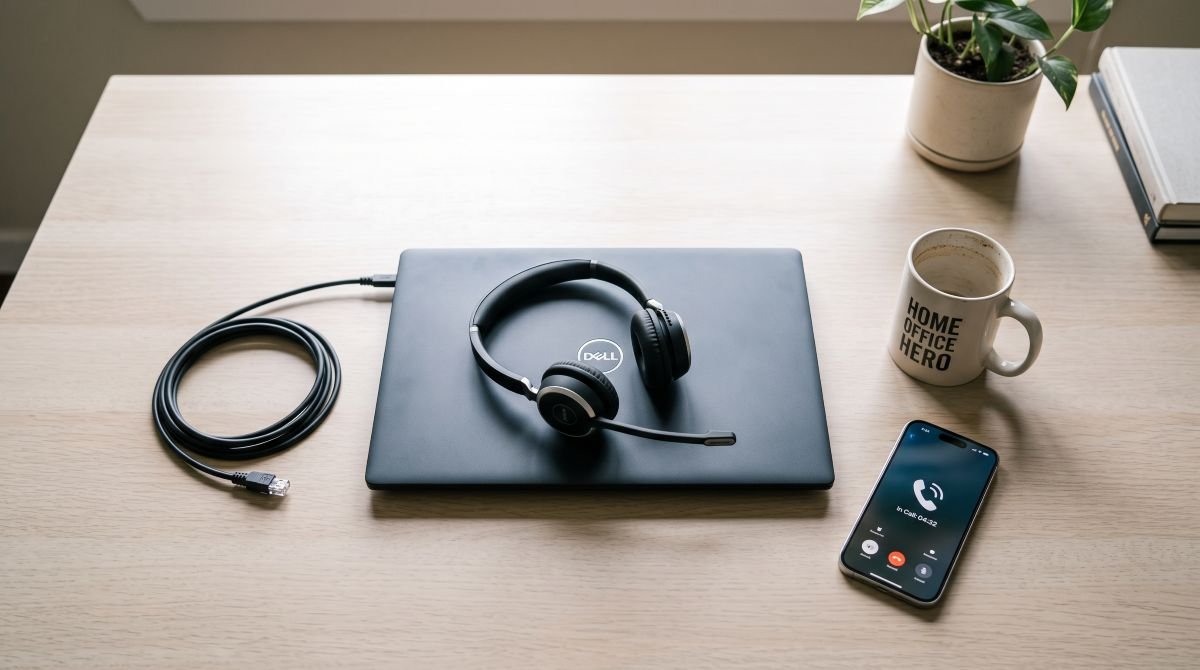
Remote call center jobs get advertised like you’ll be answering a few relaxed calls from your couch for decent pay. I took one expecting exactly that. The onboarding week alone corrected almost every assumption I walked in with, and nobody had mentioned any of it beforehand.
If you’re considering this kind of work, here’s what actually happens once you’re past the job listing and into the real thing.
Is It Actually Worth It
Yes, but go in with accurate expectations. Remote call center jobs are real, structured employment, not the loose, flexible gig work some listings imply. There’s usually a set schedule, real performance metrics, and a training period before you’re handling calls on your own. If you want steady, predictable income and don’t mind structure, it’s a solid option. If you’re picturing total freedom over your hours, this isn’t that.
1. What the Job Actually Involves
Most remote call center jobs involve handling a steady stream of inbound calls, following scripts or guided prompts, and hitting specific metrics like average call time, customer satisfaction scores, or calls handled per hour. Some roles are pure customer support, others blend in sales or technical troubleshooting depending on the company.
What caught me off guard was how closely monitored everything is. Calls get recorded and reviewed, your available and unavailable time gets tracked to the minute, and there’s usually a supervisor checking in regularly during your first few weeks. It’s structured in a way that feels a lot closer to an in-office job than most remote work discussions let on.
2. Equipment and Home Office Requirements
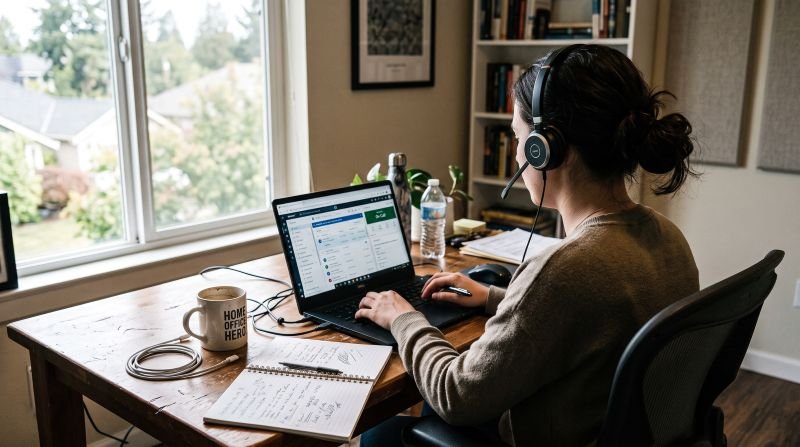
This is the part that surprises a lot of people. Most companies hiring for remote call center jobs have specific requirements before you’re even approved, a certain minimum internet speed, a wired connection rather than relying on WiFi, a quiet dedicated space free from background noise, and sometimes a specific headset you’re expected to purchase yourself. A few companies provide equipment, most don’t, at least not fully.
I underestimated the internet speed requirement specifically and had to upgrade my home plan before I could even start training. It’s worth checking the exact technical requirements before accepting an offer, not after.
3. Pay and Schedule Reality
Pay for remote call center jobs is usually hourly, often somewhere between minimum wage and eighteen dollars an hour depending on the company and whether the role includes sales or technical support. Some roles add small bonuses tied to performance metrics, but the base pay is rarely the eye catching numbers you see in ads promising huge earnings from home.
Schedules also tend to be less flexible than “remote” implies. Many roles require set shifts, sometimes including evenings, weekends, or holidays depending on the client the call center serves. Read the actual shift expectations closely before assuming you’ll have full control over your hours.
4. Where to Actually Find Legit Listings
Large, established companies like Concentrix, TTEC, and Foundever hire remote call center staff regularly and have real, verifiable career pages. Amazon also hires seasonally for virtual customer service roles directly through their own careers site. For something more flexible, platforms like LiveOps work differently, you’re an independent contractor taking calls on your own schedule rather than a traditional employee, which trades steady hours for genuinely more flexibility.
Checking a company’s own careers page directly, rather than relying only on third party job boards, is usually the safest way to confirm a listing is real before applying.

5. Red Flags Specific to This Niche
Remote call center jobs get targeted by scams just as often as data entry does. Being asked to pay for your own background check, training materials, or a “starter kit” before you’ve even been hired is a clear warning sign. So is a company with no verifiable online presence beyond the job listing itself. We covered this pattern in much more detail in our guide on spotting remote job scams, worth reading before applying anywhere unfamiliar. It’s also worth comparing notes with our guide on data entry jobs from home, since the two niches attract very similar scam patterns.
Mistakes People Make
- Not checking equipment requirements upfront. Discovering a hard requirement after accepting an offer wastes everyone’s time.
- Assuming full schedule flexibility. Most roles have real shift requirements, not open ended hours.
- Skipping research on the actual employer. A company with no real online footprint beyond the listing itself is worth a second look.
- Underestimating how monitored the role is. Call recording and strict metrics are standard, not the exception.
How I’d Start This Month
- Check your internet speed and home setup against typical requirements before applying anywhere.
- Apply directly through large, established companies like Concentrix, TTEC, or Amazon’s own careers pages.
- Consider a platform like LiveOps if you want contractor style flexibility over a traditional schedule.
- Ask about shift expectations and equipment costs clearly before accepting any offer.
- Cross check any unfamiliar company name against common scam patterns before sharing personal information.

FAQ
Do remote call center jobs pay well?
Pay is usually modest, often between minimum wage and eighteen dollars an hour depending on the role and company. It’s steady income rather than a high earning opportunity.
Do I need to buy my own equipment?
Often partially, yes. Many companies expect a wired internet connection and sometimes a specific headset at your own cost, though a few provide full equipment. Check before accepting an offer.
Is this kind of work actually flexible?
Traditional employer roles usually have set shifts, not full flexibility. Contractor style platforms like LiveOps offer more control over your schedule in exchange for less guaranteed income.
How do I know if a listing is legitimate?
Apply directly through a company’s own careers page when possible, and be cautious of any listing asking for payment before you’re hired. A verifiable online presence beyond the job post itself is a good sign.
Is previous call center experience required?
Not usually for entry level roles. Most companies provide paid training, though comfort with computers and clear communication skills help significantly.
Remote call center jobs are real and legitimate work, just not the loose, flexible arrangement some listings make them sound like. Go in expecting real structure, real monitoring, and a genuine training period, and the actual experience will match what you signed up for instead of catching you off guard the way it did me.
Pay figures and requirements mentioned above are general estimates based on publicly available information and personal experience. Actual pay, requirements, and schedules vary by employer.