

Search for data entry jobs from home and you’ll get a wall of listings promising four hundred dollars a day for typing a few hours. Almost none of that is real. I learned that the hard way after wasting a weekend applying to a dozen “companies” that turned out to be fake before I actually found a few legitimate options worth mentioning.
This isn’t another warning post, we already covered the scam side of remote work in detail. This one is about where the real data entry jobs from home actually are, and what the work honestly looks like once you land one.
What the Work Actually Involves
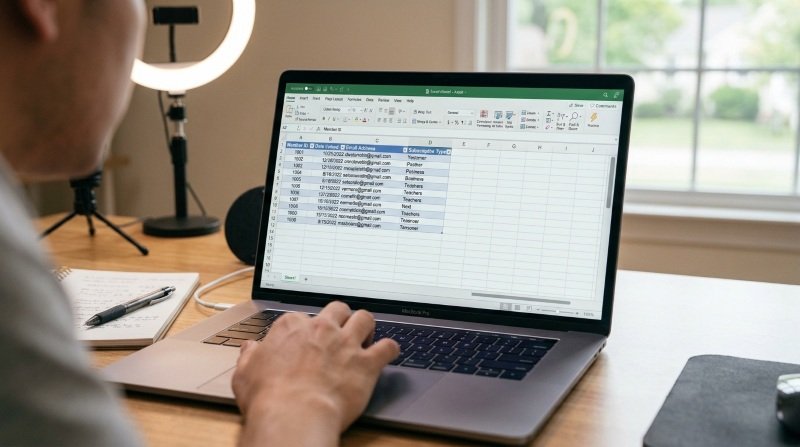
Real data entry work is usually typing information into spreadsheets or databases, processing forms, cleaning up messy datasets, or transcribing audio into text. It’s rarely exciting, and it almost never pays four hundred dollars a day. Realistic pay tends to land somewhere between hourly minimum wage rates and around twenty dollars an hour depending on the company, your speed, and how specialized the task is.
The skills that actually matter are decent typing speed, basic comfort with spreadsheets, and attention to detail. You don’t need certifications or expensive courses, despite what plenty of paid “training programs” try to sell you.
1. Job Boards Like Indeed and LinkedIn
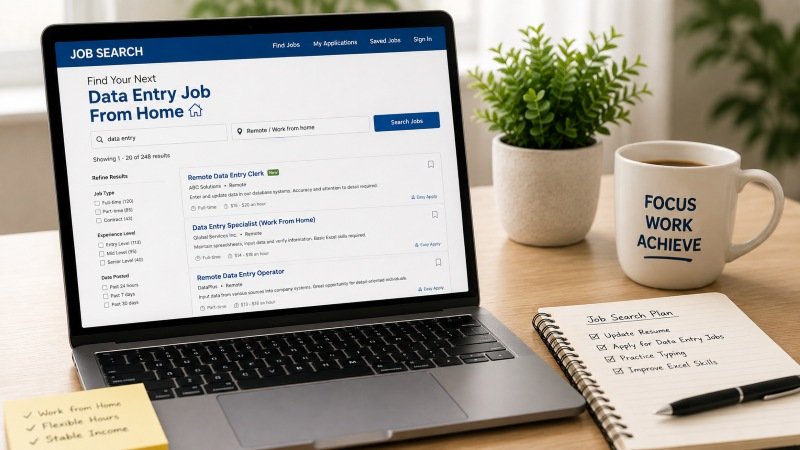
Searching “data entry jobs from home” directly on Indeed or LinkedIn, then filtering for remote, is still one of the more reliable starting points. The trick is being specific. Broad searches surface a lot of noise, so adding the actual company type you’re interested in, like “data entry insurance” or “data entry healthcare,” tends to filter out a chunk of the junk listings automatically.
2. FlexJobs
FlexJobs is a paid subscription job board that pre-screens every listing before it goes live, which cuts out almost all of the scam noise you’d otherwise wade through on free sites. It’s not free, but for anyone who’s been burned by fake listings before, paying a small fee for a pre-vetted list of data entry jobs from home can genuinely save hours of frustration.
3. Freelance Platforms
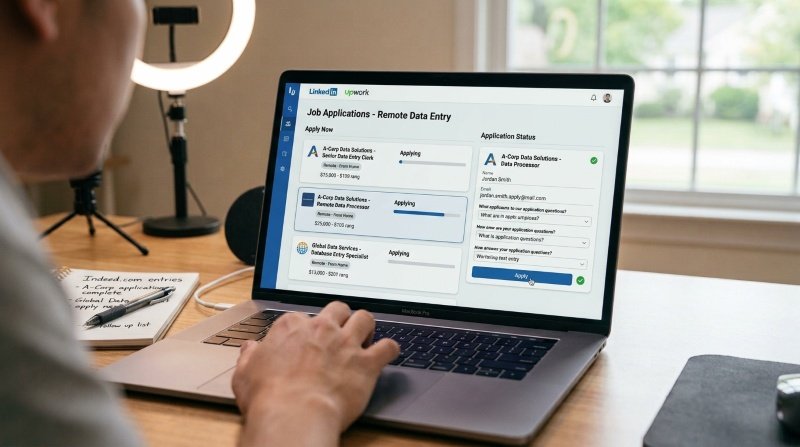
Fiverr, Upwork, and Freelancer.com work differently than applying to a company directly. Instead of getting hired for a set schedule, you set up a gig or bid on individual data entry projects, and build a client base over time as you collect reviews. Pay per project varies a lot early on, since new profiles with no reviews yet tend to get lower offers, but rates improve once you’ve built up a track record.
My first few gigs on Upwork paid barely above minimum wage per hour once I factored in the time spent bidding on jobs I didn’t land. It got noticeably better after a handful of five star reviews came in, clients started reaching out directly instead of me having to bid on everything.
4. Staffing and BPO Companies
Staffing agencies like Kelly Services and Robert Half regularly place people into remote data entry roles with real companies, and it costs nothing to sign up. Business process outsourcing companies like Conduent and Foundever also hire remote data entry and processing staff at scale, often for insurance, healthcare, or government contract work. These tend to be steadier, more traditional employment than freelance platforms, usually with a set schedule and hourly pay.
5. Microtask Platforms
Amazon Mechanical Turk and Clickworker pay per small task rather than per hour, things like categorizing data, verifying information, or short data entry tasks. Pay per task is usually small, so this works best as a way to fill in gaps between other work rather than a main income source. It’s low commitment, which makes it a reasonable way to test the waters before committing to something more structured.
6. Company Career Pages Directly
If you already know which industries hire consistently for this, insurance, healthcare, logistics, and government contractors are common ones, checking their career pages directly skips the middleman entirely. You’re applying straight to the source instead of relying on a third party listing, which also means one less place for a scam to slip in.
Red Flags to Watch For
Data entry listings are one of the most scammed corners of remote work, so a quick recap matters here. Never pay for equipment, training, or a “starter kit” upfront, and be wary of any listing promising unusually high pay for basic typing work. We covered this in much more detail in our guide on spotting remote job scams, worth a read before you start applying anywhere unfamiliar.
Mistakes People Make
- Chasing the highest advertised pay first. The listings promising the most per hour are usually the ones most likely to be fake.
- Applying to everything at once without reading carefully. Slowing down enough to check company details catches most fake listings before you waste time on them.
- Ignoring freelance platforms because they seem slower to start. They’re a legitimate route in, even if the first few gigs pay less while you build reviews.
- Not tracking applications. With this many listings, it’s easy to lose track of what you’ve already applied to and follow up appropriately.
How I’d Start This Week
- Search Indeed and LinkedIn with specific terms instead of generic ones.
- Set up a profile on Fiverr or Upwork if you’re comfortable starting with lower pay while you build reviews.
- Sign up for a staffing agency like Kelly Services, it costs nothing and opens up more listings.
- Try a microtask platform on the side to get a feel for the work without committing fully.
- Check the career pages of a few companies in industries that hire this consistently.
FAQ
Are data entry jobs from home actually legit?
Yes, plenty are legitimate, but the space is heavily scammed. Sticking to established job boards, staffing agencies, and direct company applications filters out most of the fake ones.
How much do data entry jobs from home actually pay?
Realistically somewhere between minimum wage and around twenty dollars an hour, depending on the company and how specialized the task is. Anything advertising far more than that for basic typing work is worth being suspicious of.
Do I need special software or equipment?
Usually just a computer and a stable internet connection. Legitimate employers don’t require you to buy specific equipment through a link they provide.
Is Fiverr or Upwork better than applying directly to a company?
Neither is strictly better, they’re different. Freelance platforms give you more flexibility and control but less consistency early on. Direct employment usually means steadier hours and pay once you’re hired.
How long does it usually take to land a legitimate position?
It varies, but expect it to take a few weeks of consistent applying rather than a couple of days. The people who land something quickly are usually the ones being specific and selective rather than applying everywhere.
Data entry jobs from home are out there, they’re just buried under a lot of noise from listings that never should have been posted in the first place. Stick to the sources that actually vet their listings, stay specific in your searches, and give it a few weeks of consistent effort before deciding it’s not working.
Pay figures mentioned above are general estimates based on publicly available information and personal experience, not guarantees. Actual pay varies by company, location, and role.