
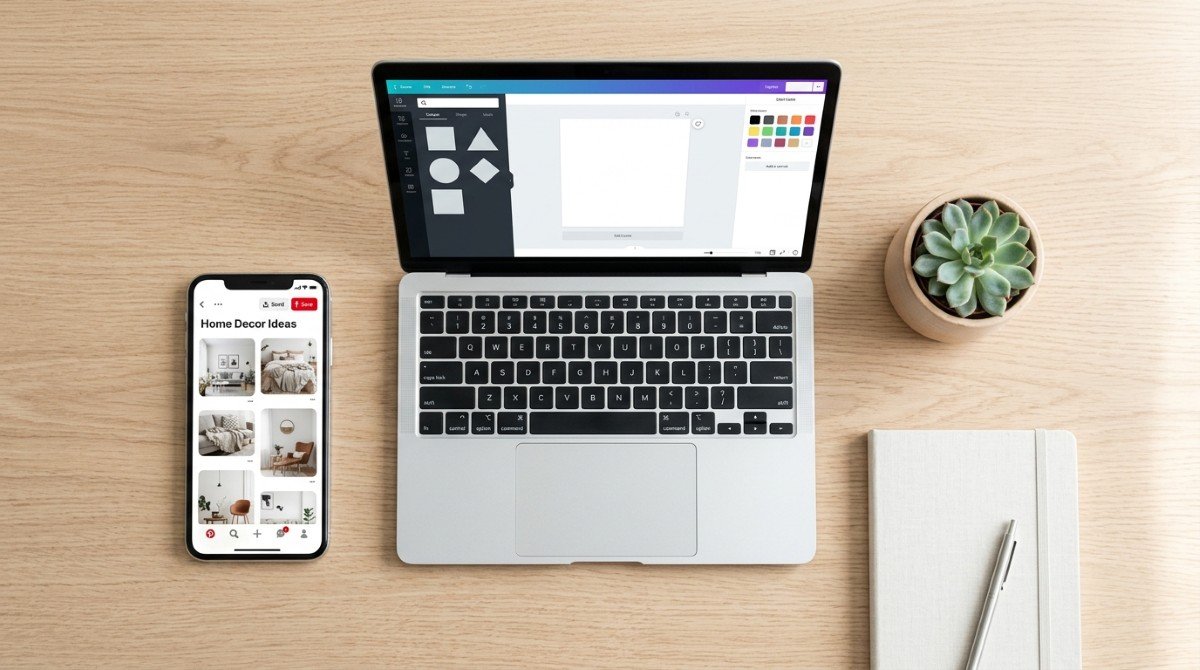
I always dismissed Pinterest as just a place people saved recipes and wedding ideas, nothing to do with actually making money. Then I noticed a friend’s small blog was still earning steady affiliate income from pins she’d posted months earlier, pins she’d barely touched since. That’s when affiliate marketing Pinterest actually clicked for me as something worth testing myself, not just another platform to keep up with.
Pinterest works differently from every other platform I’ve covered so far, and once you understand why, the whole approach makes a lot more sense.
Is It Actually Worth It
Yes, and the reason comes down to intent. Instagram and TikTok users are mostly scrolling to be entertained. Pinterest users are searching, planning a purchase, researching an idea, or actively looking for a solution to something. That difference alone makes affiliate marketing Pinterest a genuinely good fit, since people are already in a buying mindset when they find your pin.
1. How Affiliate Marketing Pinterest Actually Works
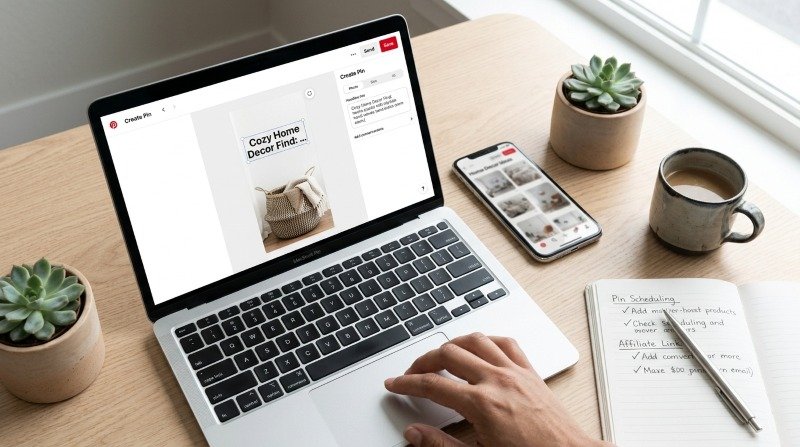
Unlike some platforms, Pinterest allows direct affiliate links on pins, no workaround needed. You create a pin, usually a vertical image or short video, add your affiliate link, and write a description using the keywords people actually search for. When someone clicks through and buys, you earn a commission, the same as affiliate marketing anywhere else.
Pinterest does require disclosure when a pin contains affiliate content, and manipulating the algorithm through fake engagement or spammy repeat posting is against their guidelines. Sticking to genuine, well made pins keeps you well within the rules.
2. Picking the Right Affiliate Programs
Amazon Associates is the easiest starting point since it covers almost any product you’d want to pin, home goods, gadgets, fashion, anything. Beyond that, networks like ShareASale and Awin host individual brand programs across a wide range of niches, so you can find something that actually matches what you’re pinning about instead of forcing a random product into your content.
The niches that tend to do best with affiliate marketing Pinterest are the ones already built around visual inspiration and planning, home decor, fashion, recipes, travel, and DIY projects. If your niche fits naturally into “someone browsing ideas for later,” Pinterest is probably a good channel for it.
3. Creating Pins That Actually Convert
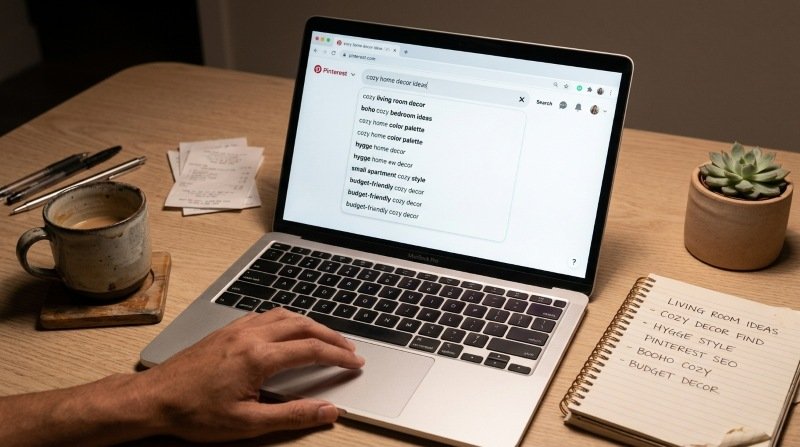
My first pins flopped because I designed them like Instagram posts, pretty but vague, with no real keyword thought behind them. Pinterest is closer to a search engine than a social feed, so specific, buying intent keywords matter more than broad, popular ones. A pin optimized for “small apartment desk setup ideas” will usually outperform one optimized for a generic term like “home office,” even though the generic term gets searched more overall.
Pinterest’s own business resources cover the basics of Rich Pins and pin formatting, which is worth reviewing once you’re ready to get more consistent with this. Simple, clear pins with readable text overlays tend to perform better than busy, cluttered designs, and you don’t need expensive design software, Canva covers this easily.
4. Why Pinterest Traffic Lasts Longer
This is the part that surprised me most. A pin can keep showing up in search results and driving clicks for months, sometimes years, after you posted it, unlike a TikTok or Instagram post that’s mostly relevant for a day or two. That’s exactly why my friend’s older pins were still earning without her actively managing them. It’s not truly passive, since you still need to build up a library of pins over time, but the payoff sticks around a lot longer than on faster moving platforms.
Mistakes People Make
- Designing pins without keyword research first. A beautiful pin nobody searches for still won’t get discovered.
- Posting once and giving up. Pinterest rewards consistency over months, not a handful of pins in one week.
- Linking to random, unrelated products. Pins perform better when the product genuinely matches the pin’s topic and your audience’s interest.
- Skipping the disclosure requirement. Being upfront about affiliate content keeps you compliant and builds more trust anyway.
How I’d Start This Month
- Pick a niche that fits naturally into Pinterest’s planning and inspiration format.
- Sign up for Amazon Associates or a relevant program on ShareASale or Awin.
- Research specific, buying intent keywords before designing your first pins.
- Create a handful of clear, well designed pins in Canva and post consistently.
- Give it a few months before judging results, Pinterest builds up slowly but sticks around.
If you’re also active on more fast paced platforms, we’ve covered earning money on Instagram too, which pairs well with Pinterest since you can often repurpose the same product content across both.
FAQ
Do I need a blog to do affiliate marketing Pinterest?
No, Pinterest allows direct affiliate links on pins, so you don’t need a website in between. A blog can help long term, but it’s not required to start.
How many pins do I need before seeing results?
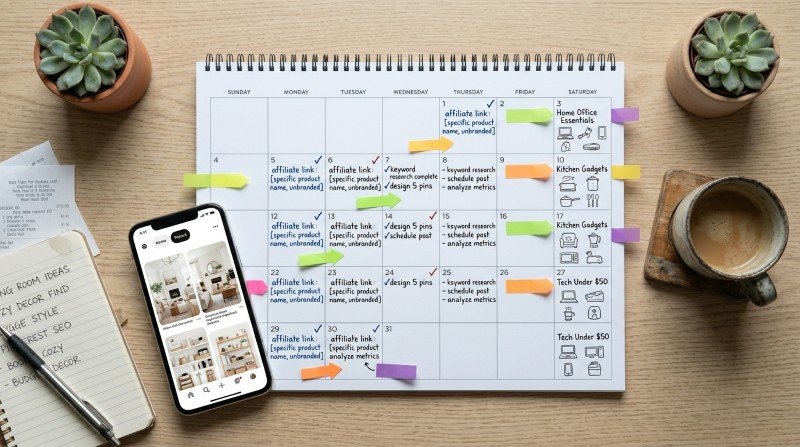
There’s no fixed number, but consistency over a few months matters more than a handful of pins in one week. Most people see traction after posting regularly for eight to twelve weeks.
Which affiliate program should beginners start with?
Amazon Associates is the easiest starting point since it covers nearly any product category, which makes it flexible while you figure out your niche.
Do I need to show my face or create video content?
No, static image pins still perform well, though video pins can get additional visibility. Plenty of successful accounts stick entirely to image based pins.
Is Pinterest oversaturated for affiliate marketing at this point?
Less than platforms like Instagram or TikTok for this specific purpose. Most affiliate marketers focus elsewhere, which leaves genuine room for well optimized pins to still get discovered.
Affiliate marketing Pinterest rewards patience more than most platforms do. It’s slower to build than a viral TikTok, but the pins you create today can keep quietly earning long after you’ve moved on to something else. Start with a niche you actually understand, put real thought into your keywords, and give it time to compound.
Earnings mentioned above are based on personal experience and general creator reports, not guarantees. Actual results vary based on niche, consistency, and audience.